


This story was originally published by Reasons to be Cheerful
3 min read
Welcome back to our weekly behind-the-scenes glimpse at what’s getting our team talking. Tell us what you’ve been reading at info@reasonstobecheerful.world and we just might feature it here.
Safe scrolling
In December, Australia became the first country in the world to ban children under 16 from holding social media accounts on Instagram, Facebook and other major platforms. Now, according to an Associated Press story shared by Executive Editor Will Doig, Australia is taking another pioneering step: Newly proposed laws would grant users more control over what they see in their social media feeds, enabling them to choose between algorithm-selected content and content from accounts they actively follow.
The legislation would also prevent children from viewing various types of content that promote dangerous behaviors or could harm their mental health.

Will says:
A small win, but giving social media users more control over what they want to see — rather than the other way around — seems like a step in the right direction.

Mapping it out
The Mercator projection is the map of the globe that has been widely used for five centuries. But because of the way it is laid out, certain parts of the world appear larger or smaller than they really are. Most notably, Africa looks disproportionately small.
That’s what prompted a newly adopted U.N. resolution to phase out the Mercator map and replace it with the more accurate 2018 Equal Earth Map, as the Guardian reports in a story that caught Contributing Editor Michaela Haas’s attention. The country of Togo, which led the campaign, said that this resolution recognizes that “disproportionate cartographic representations … have had lasting cognitive, educational, cultural, geopolitical and socioeconomic effects, contributing to a drastic reduction in the perceived size of Africa and other regions of the world in the global collective imagination.”
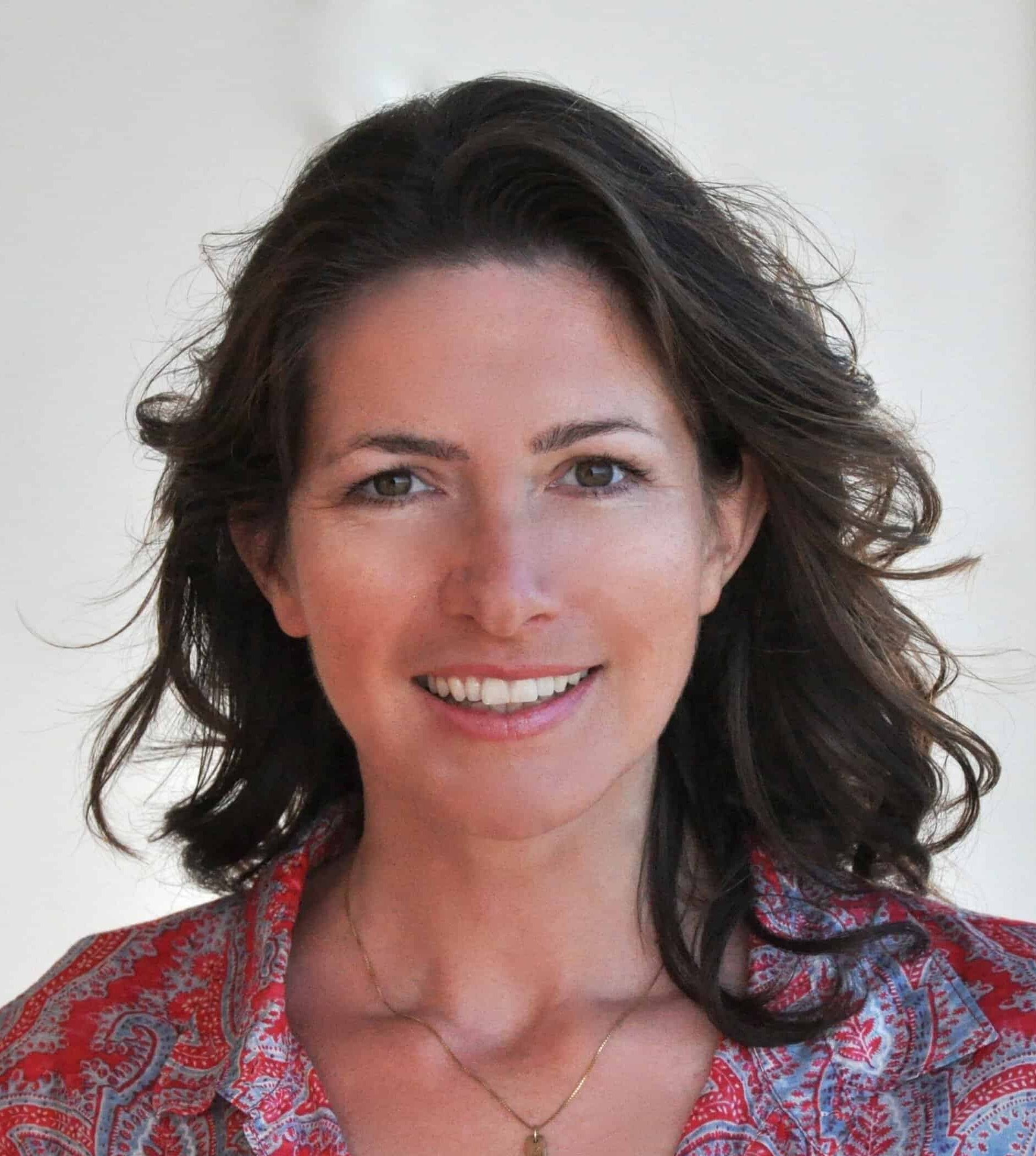
Michaela says:
It seems pretty crazy that most of the world relied on an outdated map from 1569. Even crazier that the U.S. was the only country to vote against the more accurate map.
What else we’re reading
 Finland tried to end homelessness. What can we learn from its runaway success – and recent failures? — shared by Editorial Director Rebecca Worby from the Guardian
 The rise of electoral democracy — shared by Michaela Haas from Our World in Data
 Want to borrow a dinosaur fossil? Try California’s one-of-a-kind taxidermy lending library — shared by Rebecca Worby from the Guardian
In other news…
In late August, we published a story by Contributing Editor Peter Yeung about the firefighting goat cows of Galicia, Spain. Intrigued? You’re not alone — it’s one of our most popular stories of the year to date. If you missed it, go find out why they’re called goat cows and how they prevent wildfires.
The post What We’re Reading: What If You Could Opt Out of Algorithms? appeared first on Reasons to be Cheerful.